Best Vehicle Transport Services for Long-distance Moves


Understanding Vehicle Transport for Long-distance Moves
Moving across the country transforms from exciting to overwhelming when you realize your car can’t make the journey with you. Vehicle transport services solve this exact problem, providing professional shipping solutions that deliver your vehicle safely to your new destination while you focus on other moving priorities.The auto transport industry has experienced remarkable growth, with the market reaching approximately $14.5 billion in 2023. This expansion reflects Americans’ increasing reliance on professional car shipping, particularly for long-distance relocations where driving isn’t practical or cost-effective.
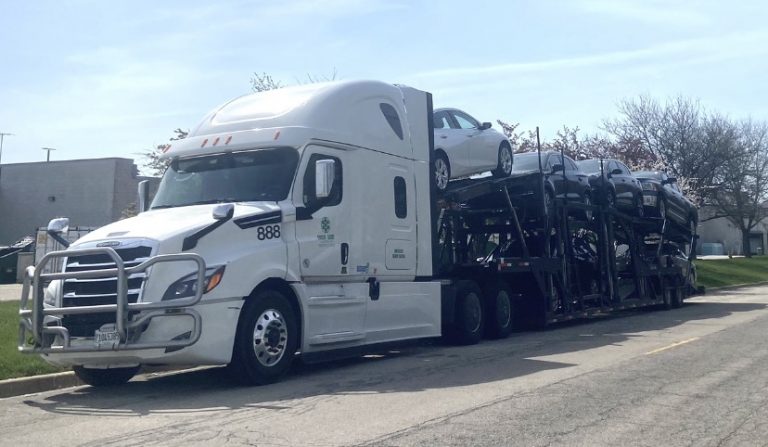
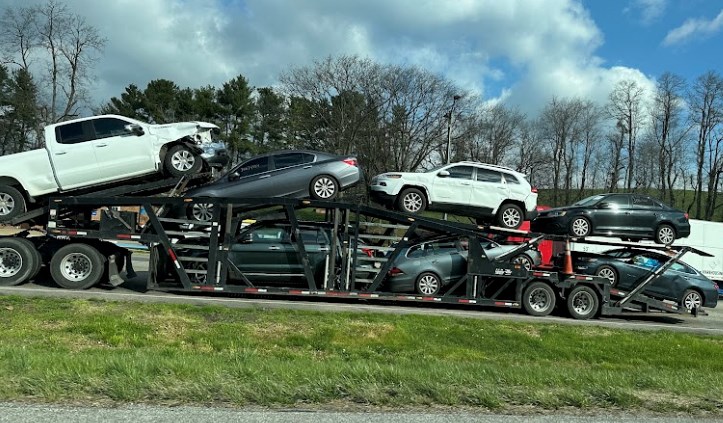
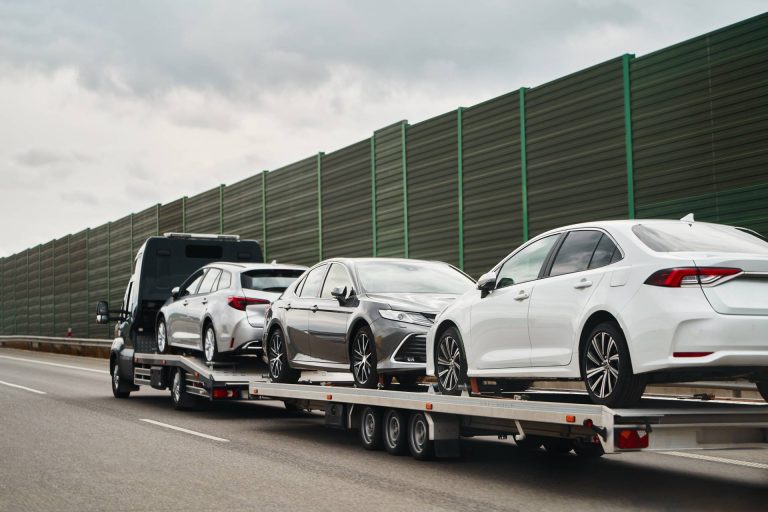
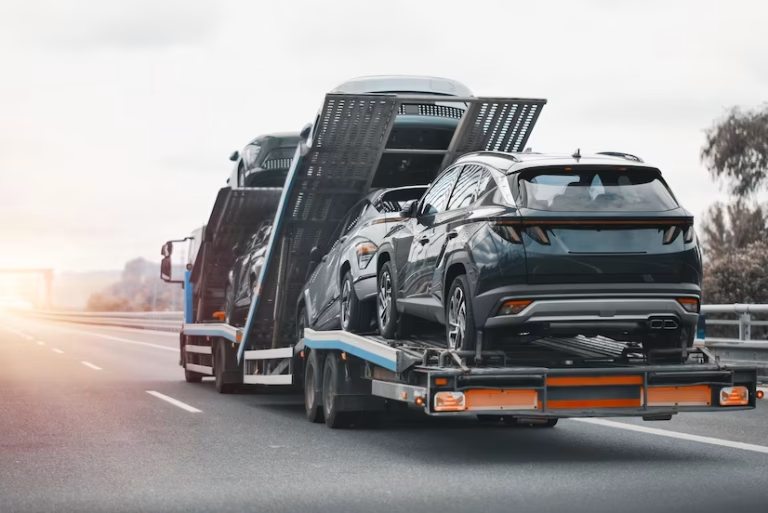
When researching the best car shipping companies, you’ll discover two primary transport methods: open and enclosed carriers. Open transport accounts for roughly 90% of shipments due to lower costs, while enclosed transport offers premium protection for luxury or classic vehicles. Professional transport companies handle everything from pickup scheduling to final delivery, ensuring your vehicle arrives in the same condition it left.
Understanding these fundamentals helps you navigate the selection process more confidently. However, choosing the right service requires evaluating specific criteria that separate reliable carriers from potential headaches.
Criteria for Choosing a Vehicle Transport Service
Selecting the right car shipping service requires evaluating multiple factors beyond price alone. Insurance coverage stands as the most critical consideration – reputable transporters carry comprehensive liability and cargo insurance, protecting your vehicle against damage during transit. However, nearly 20% of auto transport companies operate with inadequate insurance coverage, making verification essential.
Licensing and regulatory compliance form another cornerstone of reliability. All legitimate carriers must hold proper Department of Transportation (DOT) numbers and Motor Carrier (MC) authority. The Federal Motor Carrier Safety Administration tracks safety records, giving you insight into a company’s operational history.
Service flexibility significantly impacts your moving timeline and budget. Some companies specialize in expedited shipping, while others focus on cost-effective standard delivery. Door-to-door versus terminal-to-terminal options affect convenience levels, and choosing between open and enclosed transport influences both protection and pricing.
When comparing car shipping quotes, examine what’s included beyond the base rate. Hidden fees for expedited service, door-to-door delivery, or fuel surcharges can substantially increase final costs. Understanding transport service selection criteria helps ensure you’re making an informed decision that balances cost with service quality.
Cost Considerations for Long-distance Vehicle Transport
Understanding auto transport pricing helps you budget effectively for your cross-country move. The average cost to ship a vehicle ranges from $600 to $1,400, depending on distance, with coast-to-coast shipments typically falling on the higher end of this spectrum.
Distance serves as the primary cost driver, but several factors influence final pricing. Vehicle size and weight affect carrier capacity, making larger SUVs and trucks more expensive than compact cars. Seasonal demand significantly impacts rates, with summer months commanding premium prices due to increased relocation activity and college student moves.
Transport method selection directly affects your budget. Open transport costs 20-30% less than enclosed shipping, making it the preferred choice for standard vehicles. However, luxury or classic cars often justify the enclosed premium for added protection. The shipping process typically involves multiple carriers, which can create pricing variations.
According to industry data, the vehicle shipping services market has grown steadily, with increased demand driving competitive pricing among providers. The best vehicle transport services balance competitive rates with reliable service, offering transparent pricing without hidden fees. Door-to-door service costs more than terminal delivery, but the convenience often justifies the additional expense for long-distance moves.
Smart budgeting includes requesting multiple quotes and booking early to secure better rates during peak seasons.
Comparison: Top Vehicle Transport Services
The long distance car transport market features several established carriers, each with distinct strengths, and service approaches. Understanding these differences helps identify which provider aligns best with your specific moving requirements. Montway Auto Transport leads the industry with instant online quotes and an extensive carrier network spanning nationwide routes. Their platform emphasizes transparency, offering real-time tracking and comprehensive insurance coverage options. However, pricing tends toward the premium end of the market spectrum.
Ship a Car Direct differentiates itself through door-to-door auto transport with guaranteed pickup dates, though this assurance comes at higher costs. Their enclosed transport options particularly appeal to luxury vehicle owners seeking maximum protection during transit.
AmeriFreight targets budget-conscious consumers with competitive pricing structures, though service consistency can vary depending on the assigned carrier partner. According to industry data, carrier partnerships represent approximately 85% of transport transactions, making partner quality crucial.
BKK Transport combines competitive pricing with personalized service, offering flexible scheduling options and direct communication throughout the shipping process. Their comprehensive approach addresses both standard and specialized transport needs.
Each provider serves different market segments, from budget-focused moves to premium white-glove services, making direct comparison challenging without considering individual priorities and circumstances.
BKK Transport: A Closer Look
Among the reputable car shipping companies serving nationwide routes, BKK Transport has established itself as a Chicago-based carrier with a focus on personalized service and competitive pricing. The company operates with a network approach, partnering with vetted carriers to ensure nationwide coverage while maintaining quality standards.
BKK Transport’s service model emphasizes transparent communication throughout the shipping process. Their car transport services include both open, enclosed transport options, with particular attention to pickup, and delivery scheduling flexibility. According to industry data, reliable scheduling represents one of the top customer priorities when selecting transport services. What sets BKK Transport apart is their commitment to customer education and support. The company provides detailed guidance on shipping preparation and maintains active communication channels throughout transit. Their approach reflects the growing industry trend toward enhanced customer experience, as carriers recognize that transparent processes build long-term trust.
The company’s pricing structure remains competitive within the market, offering instant quotes and flexible payment options. This positions BKK Transport as a viable alternative for customers seeking personalized attention without premium pricing, making them particularly noteworthy when comparing specialized service providers in today’s competitive landscape.
Montway Auto Transport: A Closer Look
Montway Auto Transport has positioned itself as a prominent player in the long-distance auto transport industry, earning recognition for its extensive carrier network and streamlined booking process. The company operates through a broker model, connecting customers with a vetted network of thousands of carriers across all 50 states.
What sets Montway apart is their emphasis on transparency and customer communication. They provide instant online quotes without requiring personal information upfront, and their platform offers real-time tracking capabilities throughout the transport process. According to industry data, companies that invest in digital customer experience tools typically see higher satisfaction ratings.
Montway’s service options include both open, enclosed transport, and with door-to-door delivery available in most areas. Their customer service team operates seven days a week, addressing concerns and providing updates during transit. The company also offers a price-match guarantee and maintains an A+ rating with the Better Business Bureau. However, as a broker rather than a direct carrier, customers work with third-party drivers for the actual transport, which can sometimes lead to communication gaps. For those seeking direct carrier relationships, this distinction becomes an important consideration when evaluating different service approaches and accountability structures.
Trade-offs and Alternatives in Vehicle Transport
When evaluating cross-country car shipping options, understanding the inherent trade-offs helps you make informed decisions aligned with your priorities and budget. The vehicle transport industry presents several alternatives, each with distinct advantages and limitations.
Open versus enclosed transport represents the most fundamental choice. While open carriers cost 20-40% less and offer faster pickup times due to higher availability, enclosed transport provides superior protection against weather, and road debris—particularly crucial for luxury or vintage vehicles. However, enclosed options may extend delivery windows by 2-3 days in certain markets. Terminal-to-terminal versus door-to-door service presents another significant trade-off. Terminal services can reduce costs by $100-200 but require additional time and effort to drop off and collect your vehicle. According to Cox Automotive Inc., terminal arrangements work best for customers with flexible schedules who live near major transport hubs.
Expedited shipping alternatives promise faster delivery but typically cost 25-50% more than standard service. These services make sense for urgent relocations or business needs but may not justify the premium for routine moves.
Consider exploring vehicle transport options that balance your specific timing, budget, and protection requirements. Each alternative serves different customer segments, making the “best” choice highly dependent on your individual circumstances and what compromises you’re willing to accept.
Common Mistakes to Avoid When Choosing a Transport Service
Selecting the wrong vehicle shipping company can turn your long-distance move into a costly nightmare. Understanding common pitfalls helps you navigate the decision-making process more effectively and avoid expensive mistakes.
Choosing based solely on price represents the most frequent error customers make. While budget considerations matter, the lowest quote often signals corner-cutting that compromises service quality. Auto Transport Industry Statistics reveal that cost-driven decisions frequently lead to delayed deliveries and hidden fees that exceed initial savings.
Failing to verify insurance coverage creates unnecessary risk exposure. Many customers assume basic liability covers their vehicle’s full value, only discovering coverage gaps after damage occurs. Always request detailed insurance documentation and consider supplemental coverage for high-value vehicles.
Ignoring company reputation in favor of aggressive sales tactics proves problematic. Legitimate carriers don’t pressure customers into immediate decisions or demand large upfront deposits. Take time to research customer reviews and verify licensing through the Federal Motor Carrier Safety Administration database.
Inadequate preparation also derails smooth transport experiences. Customers who don’t document existing vehicle condition, remove personal items, or prepare for tracking their shipment often encounter complications that could have been easily prevented.
These mistakes collectively account for most customer dissatisfaction in vehicle transport, making careful planning and research essential for successful long-distance moves.
Key Takeaways
Selecting the right auto shipping company for your long-distance move requires balancing cost, timeline, and service quality considerations. Open transport remains the most economical choice for standard vehicles, while enclosed transport provides premium protection at a higher price point.
Success in vehicle shipping hinges on three critical factors:
booking early to secure better rates
availability
obtaining proper insurance coverage that fills gaps in carrier liability
maintaining realistic expectations about delivery windows. The vehicle shipping market’s projected growth to $18.6 billion by 2032 reflects increasing demand for professional transport services as Americans relocate more frequently.
Door-to-door service offers maximum convenience, though terminal-to-terminal options can reduce costs for flexible schedules. Remember that the lowest quote isn’t always the best value—prioritize companies with strong safety records, comprehensive insurance, and transparent communication throughout the transport process.
The key to a successful vehicle transport experience lies in thorough research, clear communication with your chosen carrier, and adequate preparation of both your vehicle and expectations for the journey ahead.
Frequently Asked Questions About Vehicle Transport
What factors determine car transport cost for long-distance moves?
Several variables influence pricing in the auto transport industry. Distance remains the primary factor, with longer routes typically costing more per mile initially but offering better value overall. Vehicle size, weight, and type significantly impact rates—luxury cars requiring enclosed transport cost substantially more than standard vehicles using open carriers. Seasonal demand fluctuations can increase prices by 20-30% during peak moving months, while flexible scheduling often reduces costs.
How far in advance should I book vehicle shipping services?
Industry experts recommend booking 2-4 weeks ahead for optimal pricing and carrier availability. According to ConsumerAffairs, last-minute bookings often result in 15-25% higher costs due to limited carrier options. However, reputable companies typically accommodate shorter notice periods, though with premium pricing.
Is my vehicle insured during transport?
Licensed carriers must maintain cargo insurance, typically covering $100,000+ in damages. However, this basic coverage has limitations. Many customers purchase additional insurance through their auto insurer or the transport company for comprehensive protection. Always verify coverage details and document your vehicle’s condition before pickup.
What’s the difference between terminal-to-terminal and door-to-door service?
Door-to-door service offers maximum convenience, with carriers picking up, and delivering directly to specified locations. Terminal-to-terminal requires dropping off and collecting your vehicle at designated facilities, typically offering lower costs but requiring additional time and effort. Most customers prefer the convenience of door-to-door service despite the modest price difference. Ready to transport your vehicle? Research multiple quotes, verify licensing, and choose a carrier that balances cost with reliability for your specific needs.